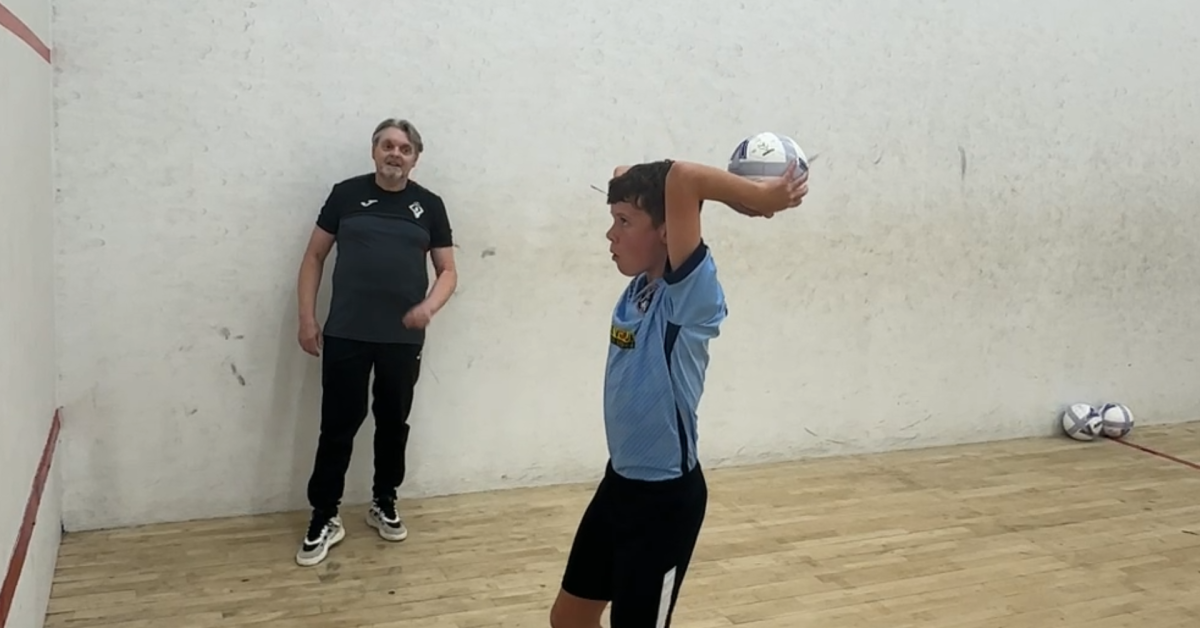
Youth athletes often seek to enhance their skill set, and mastering the long throw can significantly impact their game. This technique not only adds a dynamic element to their play but also helps them gain confidence on the field. In this guide, you’ll discover effective strategies and drills to teach your young players how to execute this skill with precision and power. By focusing on proper technique and consistent practice, you can elevate their performance and encourage a deeper appreciation for the sport.
Understanding the Long Throw
Mastering the long throw is vital for adding depth to your gameplay and creating opportunities for your team. It encompasses both technique and strategy, requiring you to harness your physical abilities effectively while being mindful of game dynamics. Grasping the fundamentals will empower you to execute skillful throws that can change the course of a match.
What is a Long Throw?
A long throw is a specialized throw-in, delivered from the sideline, that covers significant distance, often reaching the penalty area. More than just a standard throw-in, it utilizes both your arm strength and body momentum to propel the ball forward, maximizing your range and accuracy.
Importance of Long Throws in the Game
Long throws play a vital role in maintaining offensive pressure and can serve as a critical tool in set-piece scenarios. By executing an effective long throw, you can capitalize on your teammates’ positioning, creating scoring opportunities that catch opponents off guard.
Incorporating long throws into your playbook not only stretches the field horizontally but also enhances your team’s tactical flexibility. For example, a well-placed long throw can turn a throw-in situation into a direct goal-scoring chance. Statistically, teams utilizing long throws have shown up to a 30% increase in scoring opportunities from set pieces. Thus, your proficiency in this skill can directly impact your team’s performance and outcomes during a match.
How to Teach the Long Throw Technique
To effectively teach the long throw technique, focus on breaking down the necessary components into manageable steps. Start by demonstrating the technique yourself, emphasizing the fluidity of the motion from grip to release. Use drills that allow young players to practice each aspect in isolation before combining them into a full throw. Encouraging positive reinforcement during practice helps boost their confidence and retention of the skill.
Correct Grip and Hand Position
Your grip is vital in ensuring distance and accuracy with a long throw. Hold the ball with your dominant hand, placing your fingers along the seam for control, while your thumb should rest firmly underneath. This position allows for optimal rotation upon release, enhancing both distance and precision. Teach players to keep their wrist firm but relaxed to facilitate a clean throw.
Body Mechanics and Foot Placement
Proper body mechanics and foot placement are integral in executing a powerful long throw. Begin with your feet shoulder-width apart, positioning one foot slightly in front of the other to create a stable base. As you prepare to throw, pivot your back foot, push off the ground, and rotate your hips and shoulders to maximize force. This movement harnesses your body’s natural strength, funneling it into the throw.
Focus on driving through your legs and hips to enhance your throw’s power. Positioning your non-throwing foot forward allows for better momentum transfer as you release the ball. Engaging your core during the motion significantly boosts stability and power. Encourage players to visualize the motion as a fluid sequence, where their body acts as a spring, compressing during the wind-up and releasing energy upon delivery. Practicing with targeted drills helps reinforce these mechanics, paving the way for consistent and effective long throws.
Tips for Practicing the Long Throw
To enhance your long throw technique, focus on both strength and form. Implement the following strategies:
- Consistency in practice sessions ensures improvement.
- Foot position affects your throw’s power and accuracy.
- Body mechanics play a significant role in distance.
- Video analysis can provide insights into your technique.
Any practice should integrate feedback and adaptability to refine your skills.
Drills to Improve Distance
Incorporate targeted drills to build your long throw strength. Start with a traditional overhead throw, gradually increasing your throwing distance. Utilize wall rebounds to develop force and accuracy, aiming to maintain a consistent release point. You can also use weighted balls to enhance muscle engagement. Focus on repetition to cultivate muscle memory.
Enhancing Accuracy
Improving accuracy is as crucial as increasing distance. To fine-tune your long throw, set specific targets at varying distances to train your eye-hand coordination. Observing and analyzing your throw trajectory helps in adjusting your angle and positioning. Practicing in game-like scenarios can also build confidence in hitting targets during actual matches.
Factors Affecting the Long Throw
Several factors influence your ability to execute a strong long throw, each playing a significant role in your technique and effectiveness. Key elements include:
- Strength
- Conditioning
- Technique
- Environmental conditions
After understanding these components, you can focus on enhancing your skills and improving your throw efficiency.
Strength and Conditioning
Your upper body strength directly impacts the power of your long throw. Incorporating exercises that build shoulder, arm, and core strength will help you achieve greater distance. Incorporate weight training and resistance exercises, focusing on both explosive power and endurance.
Environmental Considerations
The conditions of your playing field can significantly affect your long throw. Factors such as wind speed, temperature, and surface type can alter the trajectory and distance of your throw. For instance, throwing against strong winds can make it challenging to achieve the desired distance, while a firm, grassy surface may provide better footing compared to muddy ground. Tailoring your technique to account for these environmental aspects can lead to improved performance during games.
Common Mistakes to Avoid
Many young players make mistakes that hinder their long throw progress. By identifying and addressing these errors, you can significantly enhance the effectiveness of your throw, ultimately improving your contribution to the game. Focusing on proper techniques and consistent practice will help you avoid pitfalls that can limit your development.
Poor Form
Neglecting proper form is a frequent error among young players. Whether it’s keeping your feet too close together or failing to engage your core, poor mechanics can drastically reduce throwing distance and accuracy. Focus on maintaining a strong base, with feet shoulder-width apart and a fluid motion that incorporates your entire body, not just your arms.
Inconsistent Practice
Inconsistent practice can undermine your growth in mastering the long throw. Developing muscle memory and improving technique requires regular engagement. Make it a habit to train at least three times a week, incorporating drills that focus on both distance and precision. By setting a structured practice schedule, you can witness steady improvements and build the confidence necessary for effective throws in games.
Without a dedicated practice routine, your skills can stagnate. Consider integrating specified drills such as the “Wall Drill,” where you throw against a wall to focus on technique and accuracy, or using weighted balls to build strength. Furthermore, video analysis can offer insights into your form, allowing you to make necessary adjustments. Consistency isn’t just about frequency; it’s also about quality. Prioritize your practice sessions, and pay attention to maintaining the right techniques consistently over time to see tangible progress.
Progress Tracking and Improvement
To effectively enhance your long throw technique, tracking your progress is crucial. By maintaining a clear record of your throws, including distance and accuracy, you can identify areas for improvement and celebrate milestones along the way. Utilizing technology like video analysis or apps designed for coaches can provide valuable insights into your throwing mechanics, ultimately allowing you to make targeted adjustments in your practice sessions.
Setting Milestones
Establishing specific milestones in your training can significantly boost your motivation. Aim for measurable goals, such as increasing your throw by 5 meters every month or achieving a 90% accuracy rate in practice sessions. These incremental targets will help you maintain focus and provide clear indicators of your improvement over time.
Regular Assessment and Feedback
Set aside dedicated time for regular assessments of your throwing skills. Use drills to evaluate distance and accuracy, then actively seek feedback from coaches or peers. Incorporating their insights will help you refine your technique, while also validating your progress. Consistent assessments ensure you stay aligned with your goals and adjust your training plan as needed.
During your regular assessments, utilize both quantitative data—like throw distance—and qualitative feedback on your form and technique. Consider filming your throws to analyze your mechanics closely. If a coach observes a recurring issue, such as improper foot placement, you can focus on that specific detail in subsequent practices. This iterative process not only reinforces learning but also fosters a growth mindset, allowing you to embrace challenges and refine your skills over time. Aim to conduct these assessments bi-weekly, ensuring you stay on track and responsive to your evolving needs.
Summing up
As a reminder, mastering the long throw is important for young players looking to enhance their game. By focusing on technique, grip, and body mechanics, you empower your players to execute effective throws that can change the dynamics of play. Encourage consistent practice and offer constructive feedback to help them refine their skills. With dedication and the right approach, you can ensure that your players develop confidence and proficiency in this valuable aspect of the sport.