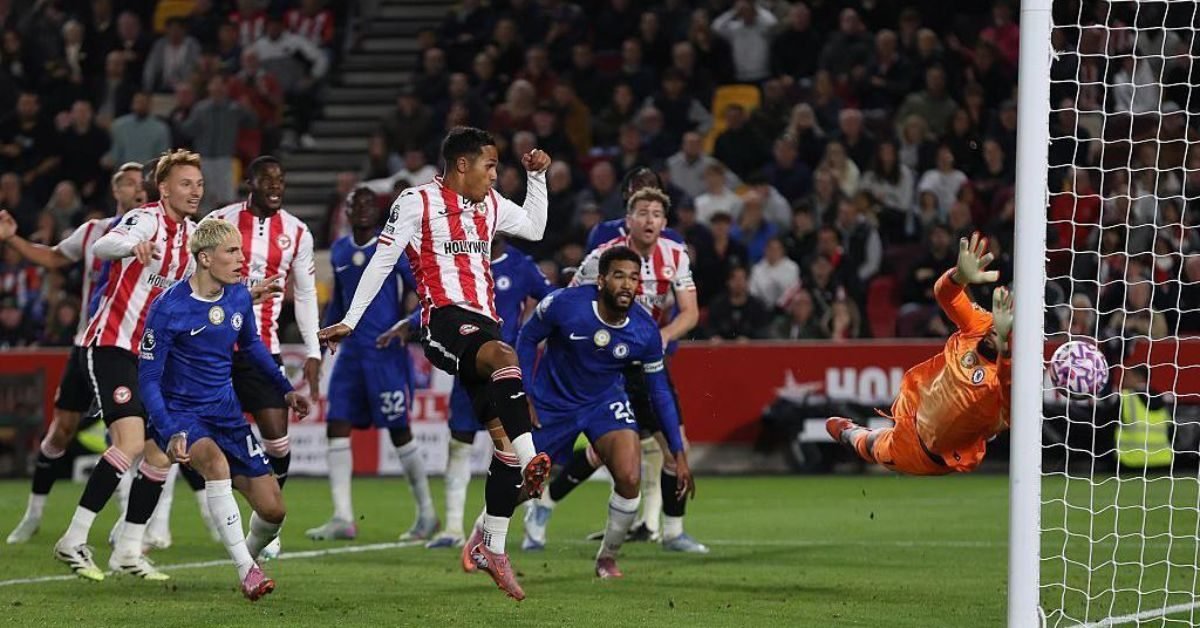
You need to understand that long throw-ins can create more significant scoring opportunities than corners, unlike corners, which typically allow for organised defences. A well-executed long throw-in can catch your opponents off guard. The trajectory and distance of the throw can lead to chaotic situations in the penalty area, making it harder for defenders to react effectively. By analysing the dynamics of both set pieces, you can appreciate how long throw-ins can exploit defensive weaknesses and contribute to higher scoring chances for your team.
The Mechanics of Long Throw-Ins
The effectiveness of long throw-ins lies in their unique mechanics, which allow for both power and precision. Unlike a corner kick, where the ball is stationary, a long throw-in is executed from a run-up, generating momentum. The technique often involves using both hands to propel the ball, with the aim of launching it deep into the opponent’s defensive zone. This creates a dynamic scenario where defenders may struggle to organise, leading to increased scoring chances.
Technique and Execution
Mastering the technique of a long throw-in requires practice and skill. You need to focus on the run-up, ensuring that your feet are planted properly and your body is aligned. Utilising a two-handed grip, you can generate more force, while keeping your arms straight and your eyes on the target enhances accuracy. A well-executed long throw can travel over ten meters, putting significant pressure on the defenders.
Field Positioning and Timing
Your positioning on the field during a long throw-in greatly influences its effectiveness. Timing is equally important; throwing at the right moment can catch defenders off guard. By observing the defensive setup, you can aim for unmarked players, creating immediate threats in the box.
A well-coordinated throw, combined with strategic field positioning, can lead to unanticipated offensive opportunities. For instance, when you throw in from the sideline, grouping attacking players in the right spaces disrupts the defensive line. Consider a long throw executed just as the defence shifts focus; it has the potential to catch them flat-footed, allowing your team to exploit gaps and potentially convert chances into goals.
Analysing the Effectiveness of Corners
Corners remain a prominent set-piece opportunity in soccer, with teams regularly investing time in planning their strategies. Despite their frequent occurrence, their actual conversion into goals is surprisingly low, often averaging around 2-3% effectiveness in top leagues. This may lead you to question their overall impact in match situations compared to other scoring chances.
Statistical Outcomes
Statistical analysis shows that, while corners can create chaotic situations in the box, they only result in goals a mere 2-3% of the time, making them less effective than perceived. You’ll often find that defenders are primed for these situations, mitigating their overall threat. The average number of goals from corners per match stands at about 0.2, highlighting the challenge of converting these set-pieces into tangible outcomes.
Defensive Responses
Defensive teams usually adapt well to corners, employing various tactics to neutralise threats. You may notice that defenders position themselves strategically to block direct shots, with many teams opting for a zonal marking or man-to-man marking system. This heightened preparation often results in a lower success rate for attacking teams during corners.
The defensive response to corners involves a careful blend of strategy and anticipation. Teams will frequently assign their tallest players to challenge for the ball, while quicker defenders watch for potential quick breaks. Studies indicate that about 63% of corners are cleared by the first defender, demonstrating a proactive approach to disrupting the attack. Further, the instant pressure from defenders can lead to hurried shots or miscalculations. With effective marking and coordinated efforts, defenders can often render corners a less formidable option for scoring than initially expected, emphasising their lower success rate compared to more dynamic set-pieces like long throw-ins.
Tactical Advantages of Long Throw-Ins
When executed properly, long throw-ins provide your team with distinct tactical advantages, disrupting defensive setups and creating immediate scoring chances. Unlike corners, where defences can anticipate the ball’s trajectory, long throw-ins allow for unpredictable angles, making it harder for opponents to react in time. Furthermore, with a throw-in taken quickly, you can exploit the opponent’s disorganisation, turning a seemingly simple restart into a prime scoring opportunity.
Element of Surprise
The element of surprise inherent in long throw-ins can catch defenders off guard. When a player quickly launches a throw-in, the opposition may not have time to organise their defensive shape, leading to chaos in their ranks. This unexpected advantage can result in players scrambling to close down space, allowing your attacking players to exploit gaps and create high-quality chances.
Targeting Weak Defenders
Long throw-ins present an excellent opportunity to target the most vulnerable defenders. By directing throws towards less experienced or physically disadvantaged players, you can capitalise on mismatches. Teams often have a mix of strengths and weaknesses, and identifying these gaps can elevate your chances of success.
For instance, using a long throw to aim directly at a defender who struggles in aerial duels can lead to chaotic circumstances in the box. This strategy forces weaker players into uncomfortable situations, where they may hesitate, misjudge the flight of the ball, or simply lose their mark. As a result, your attackers can take full advantage, as they are often better positioned to pounce on any mistakes, heightening your scoring opportunities significantly.
Psychological Impact on Defenders
The psychological impact on defenders facing long throw-ins cannot be understated. When you recognise that the opposition can launch a ball into the box from the sideline, it creates a heightened sense of vulnerability. Defenders often feel an increased amount of pressure as they anticipate the approach of attackers, leading to anxiety, tactical errors, and ultimately, mistakes that can be costly in high-stakes moments.
Anticipation and Pressure
As a defender, the anticipation of a long throw-in fosters an environment of pressure that complicates decision-making. With attackers poised to exploit any miscalculation, your margin for error narrows significantly. This kind of scenario forces defenders to react quickly, often before fully evaluating potential threats, which can result in panicked clears or misplaced positioning.
Adjustments During Play
When a long throw-in is in play, adjustments become necessary for defenders to regain control. You need to communicate effectively with your teammates and reassess your positioning to prevent attackers from gaining an advantage. This can mean shifting marking assignments, adding extra players to defend against a crowded box, or anticipating the thrower’s angle and technique.
The need for adjustments requires rapid communication and cooperative movement among your defensive unit. For instance, if you detect that the throw-in is about to occur in a dangerous area, signalling to shift your formation can help alleviate pressure. Additionally, watching for the thrower’s body language can provide vital hints about the direction of the throw. These quick, strategic shifts are imperative, as failure to coordinate can lead to overwhelming situations, where attackers exploit any gaps created under intense pressure.
Case Studies: Long Throw-Ins in Action
- Stoke City vs. Manchester City – In a Premier League match, Stoke utilised long throw-ins, resulting in a goal scored from a set-piece situation, emphasising their effectiveness at the top level.
- Throw-ins at World Cup 2018 – Analysis revealed that over 20% of set pieces from throw-ins led to attempts on goal, illustrating the potential of long throw-ins in high-stakes games.
- West Ham United’s Strategy – During the 2020 season, West Ham scored 4 goals directly from long throw-ins, showcasing their strategic importance in gaining an edge over opponents.
Memorable Matches
In matches like Bradford City vs. Arsenal, long throw-ins played a decisive role, leading to a shocking win for the underdogs. This game highlighted how a well-executed long throw can disrupt even the most organised defences, contributing to unexpected outcomes in high-pressure situations.
Key Players and Their Impact
Players like Rory Delap have transformed the long throw-in into a potent weapon, utilising their unique skills to send the ball deep into the penalty area. Your perception of this seemingly simple manoeuvre changes when you realise how these players can consistently create scoring chances, resulting in defensive chaos for opponents.
The impact of key players, such as Delap, cannot be overstated. His ability to deliver long throws with precision allowed teams to capitalise on defensive lapses, leading to several goals in crucial matches. By incorporating techniques that leverage weather conditions and trampoline-like techniques, such players make long throw-ins a vital strategic tool in any game scenario. Their influence reaffirms the concept that the long throw-in can be just as effective, if not more so, than traditional corner kicks. This evolution in playstyle reflects the need for teams to adapt and fully harness the potential of every set-piece opportunity.
Coaching Perspectives on Set Pieces
Understanding the nuances of set pieces can make or break a match, and as a coach, focusing on long throw-ins is important. While corners receive significant attention, the potential of a well-executed long throw-in should not be underestimated. Coaches must instil a sense of urgency and preparation, teaching players to recognise opportunities and exploit the opposition’s weaknesses. Emphasising this tactic can yield surprising offensive success, particularly against teams unable to defend against aerial threats.
Training for Long Throws
Incorporating long-throw training into your routine is vital for maximising its effectiveness. You should focus on developing players’ arm strength, technique, and timing. Regular drills that simulate game situations can prepare your team to utilise long throws under pressure, allowing for smooth transitions from defence to offence. Videos of successful long throws can also serve as a valuable teaching tool for technique refinement.
Integrating Throws into Game Strategy
To divert focus from traditional set pieces, integrating long throws into your game strategy can enhance your team’s threat level. You should identify situations where your players can effectively employ this tactic, especially during throw-ins near the opponent’s penalty area. By creating designated plays or patterns during training, you provide your team with a competitive edge. An example includes having players make specific runs to create space, ensuring that the thrower connects with the right target.
Consider designing specific scenarios during matches, such as marking key targets and creating overloads in designated areas. This strategic approach encourages your players to think beyond basic throw-ins, mimicking set-piece routines. Teams like Stoke City have demonstrated that integrating long throws can unsettle opponents, leading to goal-scoring opportunities. When everyone understands their role and the tactical intention behind each throw, your team’s potential for capitalising on this often-overlooked technique increases significantly.
Summing up
The analysis shows that long throw-ins can create more immediate and unpredictable chaos in the opponent’s penalty area compared to corners. When executed properly, they can lead to surprise attacks as defenders are often unprepared to react to the rapid transition. As you assess your team’s strategy, consider how utilising long throw-ins can exploit the opposition’s defensive weaknesses more effectively than traditional corner kicks, giving you an edge during set pieces.