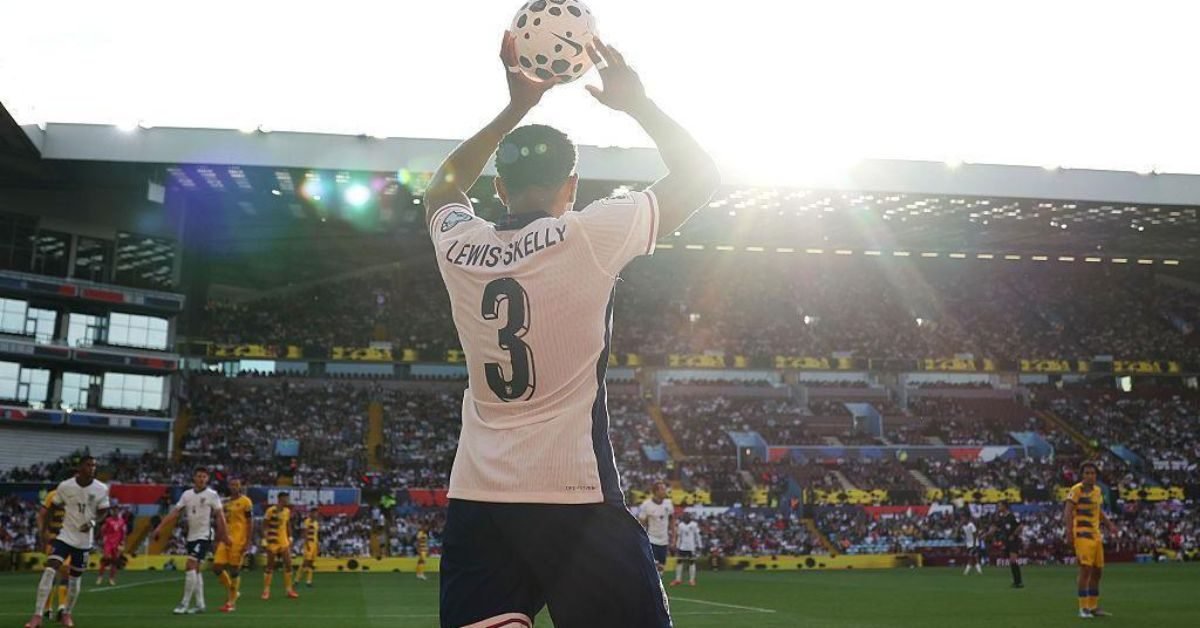
Most players overlook the power of a well-executed long throw in football, yet this technique can significantly shift the game in your favour. I’ve developed a range of creative routines that not only enhance your throwing accuracy but also confuse and outsmart any defence. By implementing these strategies, you’ll not only increase your chances of scoring but also instil fear and uncertainty in your opponents, making it harder for them to anticipate your next move. Let’s probe these game-changing tactics.
Key Takeaways:
- Utilise varied angles for long throws to keep defenders guessing.
- Incorporate decoy movements to create space and draw defenders away.
- Practice timing and communication among teammates for effective execution.
- Analyse opponent formations to identify weaknesses for targeting with throws.
- Adapt routines based on game situations and opponent strategies for maximum effectiveness.
Deconstructing the Art of Long Throws
Long throws in football require a blend of technique and strategy to effectively outsmart defences. By understanding the fundamental components of a successful long pass, players can create opportunities that disrupt defensive formations. Mastering this skill involves refining body positioning, grip, and follow-through, ensuring that each throw is both accurate and powerful. I believe that dissecting these elements will elevate your gameplay and provide the edge needed during competitive matches.
Mechanics of the Perfect Long Pass
The mechanics of a long pass hinge on proper body alignment and footwork. Start with your shoulder pointed towards the target, keeping your non-throwing arm close to your body for balance. A solid base is established through your feet, maintaining a low centre of gravity. At the moment of release, focus on generating maximum torque from your torso and follow through with a firm wrist flick. This combination not only enhances distance but also ensures accuracy, making it challenging for defenders to intercept.
Timing and Precision: Keys to Success
Successful long passes rely heavily on the synergy between timing and precision. Being aware of your teammate’s movement patterns is important for effective communication without words. Anticipating when to release the ball can create a significant advantage, allowing your target to receive it in stride. Each throw must be delivered within the ideal window to exploit defensive gaps, increasing the likelihood of scoring opportunities.
In practice, I’ve found that using markers on the pitch helps refine timing; for example, positioning cones to denote when to initiate the throw can help simulate match conditions. Situational drills, where your teammates vary their runs, also build the instinct needed to time your throws accurately. These techniques not only enhance your passing skills but also improve overall team cohesiveness, leading to more effective plays and ultimately, goals.
Tactical Craftsmanship: Creative Routes for Maximum Impact
Mastering the tactical intricacies of route design transforms your gameplay by challenging defenders to adapt quickly. Incorporating unexpected angles not only confuses but opens up opportunities. Routes like the “wheel route” or “Texas route” offer versatility, allowing tight ends and running backs to exploit mismatches. I ensure these routes are integrated with timing and precision, making the most of your long throws.
Unconventional Route Combinations
Exploring unconventional route combinations can give you the edge against any defence. For instance, pairing a slant with a fade creates layers of depth, enticing defenders into a false sense of security. I focus on timing and spacing between my players, resulting in a play where miscommunication becomes the defence’s downfall.
Leveraging Misdirection to Create Openings
Utilising misdirection effectively can generate critical openings on the field. By faking one way while executing a route in the opposite direction, you can exploit the defenders’ focus and create separation. I often implement this in my throws, drawing defenders away from the intended target.
To fully maximise the effectiveness of misdirection, you might consider using motion before the snap. This draws attention and briefly disorients defenders. For example, sending a running back in motion to act as a decoy creates illusions that alter the defence’s positioning dramatically. I’ve observed that defenders often hesitate when faced with misdirection, allowing for significant opportunities to develop—be it a long throw downfield or an unexpected connection with a receiver in a less guarded area. Positioning and anticipation become your allies, turning defensive schemes into mere shadows of their intended formations.
The Mind Game: Reading Defences Like a Pro
Successfully navigating a defence requires a keen sense of observation and adaptability. Reading the movements of defenders allows you to anticipate their next moves, providing a tactical edge during crucial moments. Focusing on their body language and formation tendencies not only enhances your decision-making but also enables you to exploit any potential mismatches. Understanding the psychological aspects of your opponents transforms your approach, making you not just a player, but a strategist on the pitch.
Anticipating Defensive Adjustments
Defences are rarely static; they adjust based on your previous plays. By analysing their reactions and formations, you can stay one step ahead. For example, if you notice a defender shifting to account for your speed, you might exploit this by altering your route’s depth, drawing them out further before making your move. This anticipation might just turn their adjustments against them, creating ample space for your receiver to operate.
Exploiting Weaknesses: A Psychological Approach
Identifying and exploiting weaknesses in the defence hinges on understanding their mindset. If you can pinpoint a defender’s lack of confidence or predictability, you can craft plays specifically designed to target those vulnerabilities, leading to game-changing opportunities. Consistent pressure on their weak points often results in openings for significant gains.
Focusing on your opponents’ psychological weaknesses can be an art form. I’ve found that using tactics like misdirection and deception forces defenders to second-guess their instincts. For instance, if a cornerback is hesitant after being beaten previously, a well-timed and unpredictable route can completely flummox them. Players like Jerry Rice excelled in exploiting defensive hesitations, turning what could have been simple plays into highlight reel moments. By honing in on these mental aspects, you’ll not only improve your game but also instil doubt in your opponents, giving you a decisive advantage on the field.
Practice Makes Perfect: Routines for Flawless Execution
Setting a routine is the backbone of mastering long throw football techniques. Consistently practising your throws not only builds muscle memory but also instils confidence in your skills during high-pressure situations. Establishing a structured practice regimen allows for targeted improvement, ensuring you refine each aspect of your technique until executing with precision becomes second nature. Aim to incorporate drills that challenge both your physical capabilities and mental acuity.
Drills to Enhance Strength and Accuracy
Engaging in specific drills like the weighted ball throw can significantly boost your arm strength and throwing accuracy. Pairing such strength exercises with precision-based tasks, such as hitting targets at varying distances, develops the synchronisation of your entire throwing motion. Gradually increasing the weight and intensity of these drills ensures continuous progression, enhancing your overall performance on the field.
Simulating Game Scenarios for Realistic Training
Incorporating game-like situations during practice sessions brings a sense of realism to your training. By setting up drills that mimic potential in-game challenges, you learn to react swiftly and decisively. This type of training sharpens both your skills and instincts, enabling you to execute long throws effectively under pressure.
Action-packed drills, like incorporating defenders and timed plays, force me to make quick decisions while throwing. Setting up varied scenarios, such as sudden changes in offensive formation or timed plays with a countdown, helps in adapting to unforeseen circumstances during matches. Analysing my responses post-drill reveals areas for improvement and fosters an environment of active learning. The more I simulate these scenarios, the more adept I become at outsmarting defences, making my long throws not just powerful but also strategically sound.
The Role of Communication in Long Throws
Effective communication significantly enhances the execution of long throws, ensuring that both the quarterback and receivers are synchronised. Voicing intentions, whether through verbal cues or gestures, prepares the offence for swift execution. Familiarity with each other’s playing styles allows for seamless adjustments mid-play, creating opportunities to exploit defensive weaknesses. Successful teams often demonstrate strong communication habits, leading to more impactful long throws and a heightened success rate.
Building Chemistry with Receivers
Establishing chemistry with your receivers underpins the effectiveness of your long throws. Regular practice together fosters an understanding of each other’s movements and timing, making it easier to anticipate how they will react under pressure. Developing trust transforms each play into a well-rehearsed dance, allowing for more nuanced routes and better execution of throws that catch defenders off guard.
Developing Non-Verbal Signals for Swift Execution
Non-verbal signals streamline communication during plays, enabling quicker reactions without alerting the defence. Gestures, eye contact, or subtle movements can convey imperative information instantly, allowing you to implement strategies without unnecessary delay. These signals should be rehearsed thoroughly to ensure recognition and understanding, leading to a more dynamic and responsive offensive approach.
Incorporating non-verbal signals into your gameplay not only enhances the speed of execution but also creates an element of surprise. For instance, I often establish a simple head nod or hand gesture to indicate a shift in play. During a recent match, using eye contact to signify an unexpected route shift resulted in a spectacular touchdown, catching defenders off balance. Crafting and refining these intuitive signs allows you to maintain the upper hand, transforming your long passing game into a well-orchestrated performance that few defences can decode.
Conclusion
Drawing together the strategies discussed, I believe that employing creative long throw football routines significantly enhances your ability to outsmart any defence. By leveraging varied techniques and formations, you not only keep your opponents guessing but also elevate your team’s overall performance. Implement these routines in your training, and you’ll see how they can transform your gameplay, making you a formidable force on the pitch. Keep experimenting and refining your approach to maximise your effectiveness.