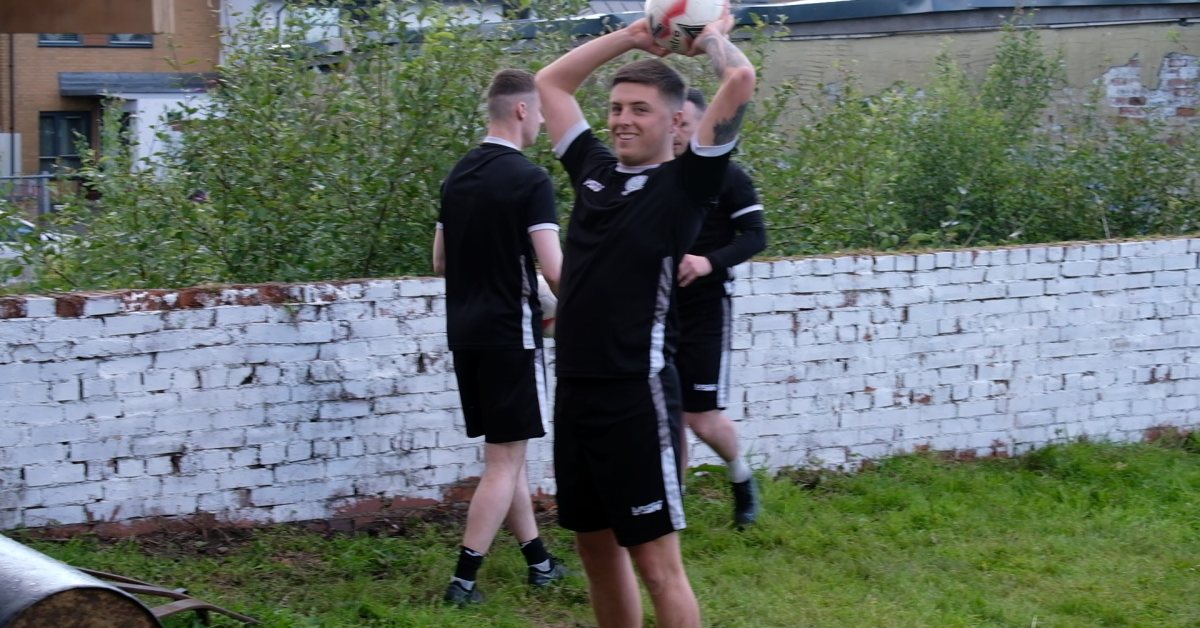
Most players underestimate the importance of the long throw in football. In this post, I’ll guide you through seven vital steps to refine your technique and increase your effectiveness on the pitch. By applying these strategies, you’ll improve your accuracy and power, making you a valuable asset in any game situation. Working with a long throw coach will highlight the nuances that can elevate your throw from ordinary to extraordinary. Let’s look into these steps and unlock your potential!
Key Takeaways:
- Understanding body positioning enhances throwing distance and accuracy.
- Developing core strength is vital for a powerful long throw.
- Practising grip and release technique can improve throw quality.
- Timing and coordination play significant roles in executing effective long throws.
- Consistent practice with feedback aids in refining throwing skills.
The Anatomy of a Long Throw: Key Components
Mastering the long throw hinges on understanding its key components. Each element plays a crucial role in executing a successful throw, enabling you to propel the ball with speed and accuracy. Factors such as grip, body positioning, and footwork are fundamental to maximising distance and precision. By dissecting these components, you can develop a comprehensive technique that enhances your throwing ability, ultimately benefiting your overall performance on the pitch.
Grip and Hand Placement
The way you grip the ball can significantly influence your throw. Your fingers should be spread evenly across the surface, providing control and stability. The ball rests on the base of your fingers, while your thumb should apply pressure on the underside, ensuring you have a firm hold. This grip promotes a clean release, necessary for achieving distance and accuracy. Adjust your grip based on the size of the ball and your comfort level to maintain consistency.
Body Positioning and Footwork
Straightening your body, aligning your shoulders with your target, and ensuring your feet are shoulder-width apart helps in generating power for a long throw. Positioning yourself with the non-throwing shoulder pointing towards your target sets a solid base. Your feet should pivot and follow through, using a step forward to add momentum. By synchronising your body movements with your throw, you can enhance both distance and precision, making your long throws more effective.
Proper footwork begins with a solid stance that allows for movement and balance. As you prepare to throw, your back foot should push off the ground, transferring weight from your back foot to your front foot in one fluid motion. The energy generated by this shift sends through your entire body, culminating in the throw. Engaging your core throughout this process is vital for stability, which directly impacts your throw’s accuracy and power. A well-timed step can add significant distance, turning a decent throw into a spectacular long throw.
Practising the Basics: Drills for Success
Developing a solid foundation is crucial for mastering the long throw, and practising basic drills will set you up for success. I recommend starting with repetitive technique drills that emphasise grip, stance, and follow-through. Focus on executing each component correctly, as this repetition will enhance muscle memory and confidence in your throws.
Isolated Technique Drills
Isolated technique drills break down the long throw into manageable components. I suggest practising each phase separately: grip, stance, and release. Use a wall or cone to target your throws, which will help refine your accuracy and power. By isolating these aspects, you’ll notice improvements more quickly.
Progression to Game-Like Scenarios
Once you’ve mastered the basics, transition into game-like scenarios to simulate real match conditions. Incorporate teammates, targets, and pressure situations that replicate actual gameplay. This way, throws are not just about distance but also about timing and decision-making, which are vital skills on the pitch.
Incorporating game-like scenarios can significantly elevate your long throw proficiency. Start by introducing a small-sided game with restrictions on how the ball can be advanced, allowing for long throws in specific situations. This not only enhances your ability to execute under pressure but allows you to develop awareness of your teammates’ movements. Gradually increase the complexity by varying distance and angles, making sure to adapt to different match situations. This approach cultivates both your technique and your tactical understanding, crucial for applying your skills effectively in a match.
Building Strength and Flexibility for Maximum Distance
Maximising your long throw requires a harmonious blend of strength and flexibility. By focusing on these elements, you can ensure your body generates the necessary power and range. Incorporating specific training will not only enhance your throwing mechanics but also help to prevent injuries, allowing for a more efficient and effective throw.
Targeted Strength Training Exercises
To develop the muscles imperative for a long throw, I recommend focusing on exercises that target your shoulders, core, and legs. Movements like weighted squats, shoulder presses, and core rotations help build the explosive strength necessary for maximum distance. Incorporating resistance bands for lat pulldowns also strengthens the upper body while promoting stability in your throw.
Flexibility Routines Tailored for Throwers
Flexibility plays a fundamental role in achieving optimal throwing mechanics. Incorporating dynamic stretches, such as arm circles and leg swings, before practice helps prepare your muscles for action. Post-throw, implementing static stretches targeting the shoulders, chest, and hips can significantly improve your range of motion, directly impacting your throw distance.
For flexibility routines, I focus on specific stretches like the cross-body shoulder stretch and hip flexor stretch, as they enhance the mobility needed for a powerful throw. Holding each stretch for at least 30 seconds, and repeating them 2-3 times, encourages muscle elongation and aids in recovery. Integrating these targeted flexibility sessions into my regular training not only improves my throw but also contributes to overall joint health, reducing the risk of injury.
The Role of Mental Preparation in Achieving Consistency
Success in executing a long throw transcends physical ability; mental preparation plays a pivotal role in achieving consistency. I find that when I mentally rehearse my throws, focusing on technique and form, my performance improves significantly. This practice not only builds confidence but also sets a mental framework that aids in replicating consistent results during matches. By cultivating a proactive mindset and embracing the mental aspects of training, you can greatly enhance your throwing capabilities.
Visualisation Techniques for Success
Visualisation techniques can dramatically improve your long throw performance. I often picture myself executing a perfect throw, from the *approach* to the *release*. This mental imagery reinforces the physical mechanics needed and boosts my confidence. Practising visualising successful outcomes enables you to feel more prepared and in control, ultimately translating those mental images into physical reality on the pitch.
Managing Pressure During Games
Handling pressure during games is necessary for a successful long throw. I focus on emphasising the process rather than the outcome, enabling me to remain calm and collected in high-stakes situations. By concentrating on my breathing and maintaining a clear mind, I can execute my technique without getting overwhelmed by the moment.
During intense moments, I often remind myself of successful throws from past games, which serves as a reference point. This method grounds me, preventing distractions and reinforcing my ability to perform under pressure. I also encourage performing practice throws in varied situations, allowing you to simulate pressure scenarios regularly. This preparation helps transform anxiety into adrenaline, enhancing your performance during real matches.
Common Pitfalls: Mistakes to Avoid When Mastering the Long Throw
Every aspiring athlete faces pitfalls that can derail progress when honing their long throw technique. Identifying these mistakes early on is imperative to developing an effective and reliable throwing ability. Understanding common errors allows you to adjust your training and approach, ensuring your journey to mastery is smoother and more productive.
Overemphasis on Distance Over Technique
Focusing solely on distance often leads to poor technique and wasted effort. Many throwers become obsessed with how far they can propel the ball, neglecting the importance of a solid, consistent technique that lays the foundation for enduring success. A well-executed throw rooted in proper mechanics will yield better results than a long throw executed with flawed form.
Neglecting Recovery and Rest Days
Skipping recovery days can significantly hinder your progress in mastering the long throw. Continuous training without adequate rest leads to fatigue, increasing the risk of injury and diminishing performance. Implementing rest days into your routine not only aids muscle recovery but also enhances your physical and mental preparedness for future training sessions.
Overtraining without sufficient recovery can result in diminished returns, where your throws lose power and precision. Physically, tight muscles and fatigue can lead to improper mechanics, compounding the risk of injury. I’ve personally found that integrating active recovery sessions, such as light stretching or mobility work, keeps my body responsive and ready. Scheduled rest days facilitate muscle repair, enabling progress and better overall performance in future throws. Balancing hard work with strategic downtime is imperative in the quest for mastery of the long throw.
Final Thoughts on Your Journey to Becoming a Long Throw Expert
Achieving mastery of the long throw is a rewarding journey filled with continued learning and refinement. As you reflect on your progress, consider integrating feedback from coaches and peers to identify areas for improvement. Celebrating small victories, such as achieving greater distance or accuracy, reinforces your dedication. I’ve found that setting incremental goals helps maintain motivation. The commitment to practice consistently and embrace challenges will ultimately lead to expert-level performance. Your passion for the game, combined with the skills acquired, positions you for remarkable success on the pitch.