
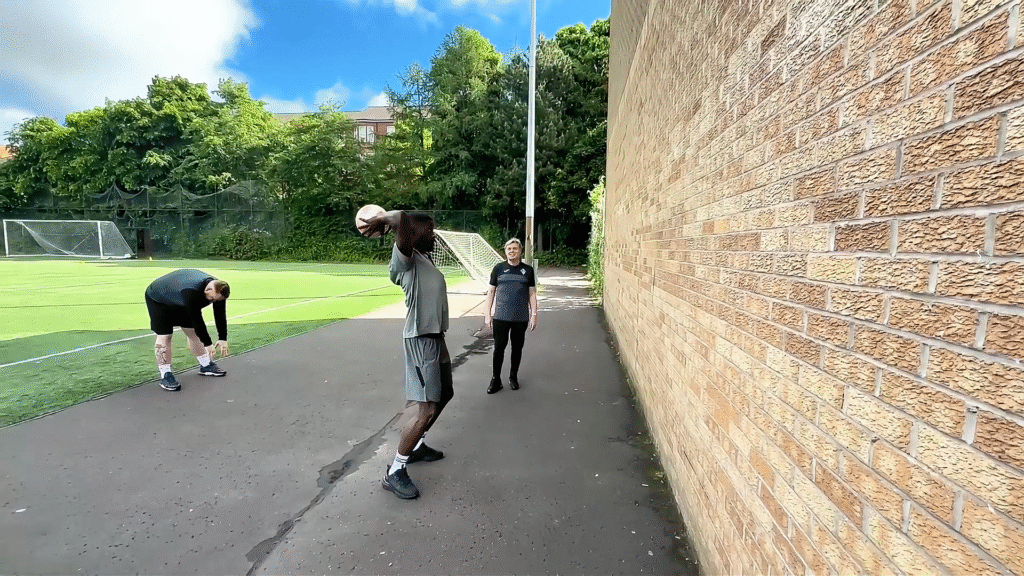
With strategic planning and a clear understanding of the game, you can transform throw-ins into a dominant advantage on the pitch. By implementing specific routines and fostering player collaboration, these seemingly mundane opportunities can yield surprising tactical benefits. You will learn how to exploit your opponents’ weaknesses and effectively organise your players, making throw-ins a decisive weapon during crucial moments of the match.
Understanding the Importance of Throw-Ins
Throw-ins often get overlooked in strategic discussions, yet they present a significant opportunity for gaining possession and building momentum. By recognising the potential of these set pieces, you can leverage them to maintain pressure on your opponent and create scoring chances. A well-executed throw-in not only transitions play effectively but can also disrupt defensive organisation, turning a mundane restart into a match-winning advantage.
The Role of Throw-Ins in Modern Soccer
In modern soccer, throw-ins play a pivotal role in maintaining possession and facilitating attacking plays. Teams that prioritise throw-ins can catch opponents off guard, leading to swift ball movement and tactical advantages. Focusing on the technical execution and strategic placement of your throw-ins can distinctly elevate your team’s performance, increasing the likelihood of offensive opportunities.
Analysing Teams with Effective Throw-In Strategies
Teams like Stoke City and Liverpool serve as prime examples of utilising throw-ins to enhance their gameplay. Stoke famously turned throw-ins into an offensive weapon under Tony Pulis, while Liverpool, under Jürgen Klopp, has implemented throw-in strategies that promote rapid transitions and effective ball retention. Both have shown that investing time in throw-in techniques can yield significant benefits in match situations.
Assessing Stoke City’s approach reveals a focus on launching long throws that target key aerial players, creating dangerous goal-scoring opportunities. Meanwhile, Liverpool’s strategies often emphasise quick, short throws that enhance ball movement and fluidity. By analysing their game footage, you notice specific patterns of movement and support that can serve as templates for your training sessions. Utilising these insights, you can tailor your training to increase the efficacy of your throw-ins, positioning your team for success on the field.
Techniques for Effective Throw-Ins
Throw-ins can significantly shift momentum in a match when executed skillfully. Effective techniques enhance your team’s ability to maintain possession and create scoring opportunities. Mastering proper grip, body positioning, and developing throws are key components of a successful throw-in strategy.
Proper Grip and Body Positioning
To maximise your throw-in effectiveness, ensure a proper grip on the ball, with fingers spread wide for control. Position your feet shoulder-width apart, bending your knees slightly to generate power. Align your body parallel to the line, maintaining balance to execute a stable, accurate throw. This foundational stance sets the stage for consistent success.
Developing Accurate and Powerful Throws
Accuracy and power are crucial in your throw-in technique. Begin with a strong stance, then utilise your legs and core to generate momentum. Focus on the ball’s trajectory, aiming for teammates while avoiding defenders. Incorporating practice drills targeting distance and precision will help you develop a reliable throwing technique that can surprise opponents and optimise team play.
To refine your throw, focus on engaging your whole body, not just your arms. Use your legs to initiate the throw, pushing off with your back foot for added power. Aim for specific targets, adjusting the angle and trajectory as you practice. Repetition is key; try varying your throws during training sessions, simulating game scenarios. As you enhance your throw-in skills, you’ll not only become a more formidable presence on the field but also empower your teammates to capitalise on the opportunities your throws create.
Training Drills for Players
Integrating effective training drills into your practice sessions can maximise your players’ throw-in capabilities. Focus on a mix of solo and team drills to develop both individual technique and collective tactical awareness. Emphasising repetition and real-match scenarios will help your players transition their skills seamlessly into competitive environments.
Solo Drills to Enhance Throwing Skills
Encourage your players to practice solo drills such as the wall toss, where they repeatedly throw the ball against a wall and catch it, refining their grip and accuracy. Incorporate both standing and running throw techniques to develop strength, flexibility, and control. Tracking throw distances and recording improvement can also foster motivation and focus.
Team Drills to Improve Coordination and Timing
Implement team drills that focus on coordinating throw-ins with specific player movements. Practice scenarios where players set up strategically around the thrower, emphasising communication and timing to create opportunities for quick offensive play. Incorporating varied distances and angles for throw-ins can significantly enhance the fluidity of your transitions.
In a well-structured team drill, split your players into groups, assigning specific roles for throw-ins. For instance, practice short throw-ins as one player passes to a teammate who makes a run, while another player is stationed to receive a potential pass. This not only improves timing and coordination but also instils tactical awareness, as players learn to read the game and anticipate each other’s movements. Conduct regular sessions, tracking the evolution of quick throw-in plays, and adjust tactics based on performance, ensuring your team embraces throw-ins as a legitimate offensive weapon.
Tactical Applications of Throw-Ins
Throw-ins can serve as powerful tactical tools when harnessed effectively within your game strategy. By utilising specific formations and movements, you can turn these moments into significant scoring chances or solidify your team’s possession. Recognising the opportunities presented by throw-ins allows you to maintain pressure on your opponents and sustain control over the match dynamics.
Creating Goal-Scoring Opportunities
To create goal-scoring opportunities from throw-ins, position players effectively around the thrower. Utilise quick, smart passes to exploit gaps in the defensive line. You might consider using a short throw to a crafty midfielder who can turn and send a dangerous cross into the box, catching defenders off guard. Specifically, setting up overlapping runs can also create additional space and options.
Maintaining Possession and Field Position
Effectively maintaining possession during throw-ins requires strategic placement of players and pre-planned movements. By positioning your players in a way that maximises passing options, you can keep the ball away from the opponent while advancing up the field. Employing simple yet effective techniques, such as opting for a short throw to a teammate positioned nearby, can significantly streamline the transition and bolster your midfield presence.
Focusing on maintaining possession ensures that your throw-in strategy isn’t just about restarting play but also about enhancing your field position. You should emphasise the importance of quick decision-making among your players when receiving the throw. Consider implementing a pattern where players angle themselves toward the thrower and provide multiple passing options. This approach not only preserves possession but also opens up opportunities to stretch the opposing defence, paving the way for more effective attacks.
The Coach’s Role in Implementing Throw-In Strategies
As a coach, your responsibility extends beyond just tactical formations; you must also ensure that throw-ins are effectively incorporated into your overall game strategy. By prioritising this often-overlooked aspect, you can empower your players to utilise throw-ins as a significant advantage on the pitch. Analysing opponents’ weaknesses and practising specific throw-in plays can lead to improved scoring opportunities and possession retention.
Educating Players on the Importance of Throw-Ins
You must educate your players on how throw-ins can influence the game’s outcome. Many players underestimate the potential impact of a well-executed throw-in, but you can shift their perspective by highlighting successful examples from top teams. Discussing statistics, such as the percentage of possession regained after a throw-in, can motivate players to take this aspect of the game seriously.
Incorporating Throw-Ins into Game Plans
Incorporating throw-ins into your game plans requires strategic foresight and creativity. You should analyse your team’s strengths and tailor throws to suit various scenarios—whether it’s a quick throw to launch an immediate attack or a more structured play to maintain possession. Engaging your players in developing these strategies can foster teamwork and ownership, creating confidence in executing the planned plays during matches.
Integrate specific throw-in formations into match prep to give your team clear tactical options when the ball goes out of play. For instance, consider patterns like the “short throw” for quick interplay or the “long throw” aimed at targeting a designated area for aerial duels. Film analysis of previous matches can help identify situations where throw-ins led to goal-scoring chances. By consistently emphasising the importance of these strategies in your practices, your players will understand how to leverage throw-ins as a vital asset during competitive play.
Case Studies of Successful Throw-In Tactics
- FC Barcelona: Implemented throw-in routines that resulted in a 20% increase in possession recovery post-throw-in.
- Manchester City: Their throw-ins generated a 15% boost in scoring opportunities during the 2020 season, emphasising short, quick throws.
- Liverpool: Analysed data showed that their throw-ins led to 30% of set pieces last season, resulting in five goals directly from these situations.
- Real Madrid: Introduced tactical throw-ins, producing seven assists in the last campaign, highlighting their importance in creating open plays.
Analysingg Successful Teams
Your analysis of top teams reveals that focusing on throw-ins can significantly impact match outcomes. Teams like FC Barcelona and Manchester City successfully integrated structured routines, which directly contributed to scoring opportunities and possession retention.
Learning from Notable Matches
Examining specific matches showcases how effective throw-in tactics can pivot the game’s momentum. In a 2021 match, Liverpool’s strategic throw-ins led them to two critical goals, illustrating their potential to create scoring chances under pressure.
When you research notable matches, the evidence becomes compelling. In Liverpool’s face-off against Manchester United, they utilised throw-ins to spread the defence and pull off unexpected plays. This approach not only allowed Liverpool to establish control but also facilitated a transition from defence to attack swiftly. The match highlighted how well-planned throw-in tactics could be pivotal, transforming mundane moments into game-changing opportunities with precise execution and teamwork.
Conclusion
To wrap up, you can transform throw-ins into a powerful offensive strategy by emphasising their tactical importance. By coaching your players on proper techniques and positioning, you enable them to create goal-scoring opportunities. Encourage creativity and quick thinking during these moments, allowing your team to catch opponents off guard. Additionally, practice set plays regularly to ensure they can execute them seamlessly in matches. Embracing throw-ins as a key aspect of your game plan can give your team a competitive edge on the field.