
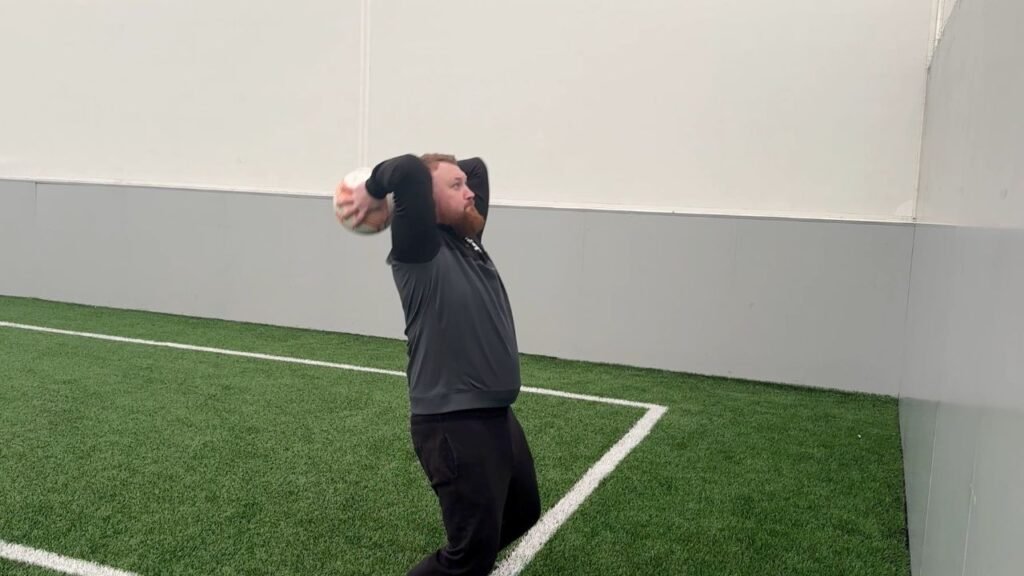
Many athletes overlook the benefits of heavy ball training, but incorporating this technique into your routine can significantly enhance your throw-ins. By using a weighted ball, you can develop greater strength and improved technique, leading to more powerful and accurate throws. This training not only builds your arm muscles but also enhances your core stability, allowing you to generate more force. As you consistently practice with heavier balls, you’ll notice how your throw-ins become unstoppable, giving you a competitive edge on the field.
The Science Behind Heavy Ball Training
Heavy ball training leverages the principles of resistance training to improve your performance. By using a weighted ball, you increase your muscular demand during throw-ins, allowing you to develop greater strength and power. This method engages more muscle fibers, enhancing your throwing mechanics and overall coordination for a more effective throw-in. Research indicates that even short, intense sessions can lead to noticeable improvements in both speed and accuracy.
Understanding Resistance Training
Resistance training involves pushing against a force to develop muscular strength and endurance. By incorporating heavy balls into your routine, you create a unique challenge for your muscles, which forces them to adapt and grow stronger over time. This adaptation not only benefits your upper body but also strengthens your core and lower body, vital for generating explosive power during throw-ins.
Physiological Benefits of Heavy Ball Use
Utilizing heavy balls yields significant physiological advantages, enhancing your overall athletic performance. Engaging in this type of training increases your muscular endurance, improves joint stability, and promotes neuromuscular coordination. As you adapt to the added weight, your muscles become more efficient, leading to improved force production during throw-ins.
Incorporating heavy ball training into your practice routines can lead to remarkable physiological improvements. For instance, studies show that athletes who regularly train with weighted implements experience a 20-30% increase in their throwing strength within just a few weeks. This increase translates into better precision and control when executing throw-ins, as your muscles adapt to the demands of the heavier ball. Additionally, the enhanced core stability cultivated through heavy ball use significantly contributes to injury prevention, allowing you to perform at your best without the risk of setbacks.
Techniques for Effective Heavy Ball Training
Proper Grip and Stance
Your grip and stance are foundational to maximizing the benefits of heavy ball training. Hold the ball with a firm, yet relaxed grip, ensuring your fingers are spread evenly across the surface. Stand with your feet shoulder-width apart, knees slightly bent for balance. This position enhances your leverage and power during the throw-in motion, allowing for optimal force generation and accuracy.
Drills to Incorporate in Training
Incorporate a variety of drills to elevate your heavy ball training sessions. Start with basic overhead throws to build strength in your shoulders and arms. Progress to seated chest passes, focusing on explosive power from your core. Additionally, lateral throws targeting different angles will enhance your adaptability during matches.
For a well-rounded approach, include specific drills such as the “One-Handed Back Pass” and “Weighted Lateral Toss.” The former hones your accuracy and grip strength, while the latter improves your power and reaction time to different angles. Track your distance and speed, aiming to increase both metrics over time. Consistent practice with these targeted exercises will lead to remarkable improvements in your throw-ins, making them not just effective, but unstoppable.
Advantages of Heavy Ball Training for Throw-Ins
The incorporation of heavy ball training into your routine offers multiple advantages that can transform your throw-ins into powerful weapons on the field. Not only does it enhance your overall strength and power, but it also significantly improves your accuracy and control, allowing for more effective and targeted throws during matches. This training method equips you with the vital skills needed to excel under pressure, ensuring that your throw-ins can consistently meet strategic opportunities.
Improved Strength and Power
With heavy ball training, you develop the muscle strength necessary for explosive overhead motions. The resistance from the heavier ball leads to increased force generation, enabling your throw-ins to cover greater distances and improve your overall athletic performance. By incorporating specific exercises that target relevant muscle groups, you can experience noticeable gains in both throwing distance and power.
Enhanced Accuracy and Control
Precision in your throw-ins is significantly heightened through heavy ball training, as your muscles adapt to the added weight, refining your motor skills. This increased control allows you to target your teammates with improved confidence, reducing the likelihood of turnovers. You become more adept at adjusting the trajectory and angle of your throw, ensuring that the ball reaches its intended destination with accuracy.
As you engage in heavy ball training, the added weight forces your body to establish a more refined throwing technique. This repetition promotes muscle memory, so over time, you will intuitively adjust for the perfect angle and velocity needed for accurate throws. The improved hand-eye coordination gained during these sessions translates directly to match situations, allowing you to deliver precise, controlled passes under pressure.
Common Mistakes to Avoid
To maximize the benefits of heavy ball training, steer clear of common pitfalls that could hinder your progress. Overtraining without proper recovery can lead to burnout and plateauing performance, while neglecting proper technique might result in ineffective training and potential injuries. Paying attention to these mistakes ensures you develop your throw-in skills effectively and safely.
Overtraining and Injury Risks
Overtraining often arises from pushing your limits without adequate rest, leaving you susceptible to injuries like strains or sprains. Balancing your training regimen by including recovery days and monitoring your body’s signals is important for maintaining long-term performance. Prioritize your well-being, because even the best routines can backfire when they’re overly aggressive.
Neglecting Form and Technique
Focusing solely on the weight of the heavy ball can detract from the necessary attention to your throwing form. Inadequate technique may not only limit the effectiveness of your training but also increase the risk of injuries. Ensure that your grip, stance, and release mechanics align with optimal technique to gain the full advantage of heavy ball training.
When you concentrate on form and technique, you reinforce muscle memory, which translates into improved performance on the field. For instance, ensuring a stable base with your feet shoulder-width apart stabilizes your core, allowing for a fluid and powerful throw. A common mistake is to overlook the follow-through; a proper finish enhances accuracy and distance, while an abrupt stop can lead to shoulder injuries. By fine-tuning these elements, you’ll set yourself up for success and create a strong foundation for your throw-ins.
Integrating Heavy Ball Training into Your Regimen
Incorporating heavy ball training into your routine isn’t just beneficial; it’s necessary for achieving impactful throw-ins. Start by adding targeted sessions two to three times a week, focused on increasing strength and explosiveness. As you progress, integrate heavy ball drills with regular technical practice, ensuring skills transfer effectively to game scenarios. Monitor your progress and adjust weights and repetitions based on your comfort and performance levels.
Creating a Balanced Workout Plan
Your workout plan should feature a mix of heavy ball drills, strength training, and flexibility exercises. Allocate specific days for heavy ball training, ensuring you include complementary activities that foster overall athleticism, such as sprinting and core conditioning. This balance promotes peak performance while reducing injury risk, allowing you to execute powerful throw-ins consistently.
Scheduling Training Sessions for Optimal Results
To maximize gains, schedule your heavy ball sessions thoughtfully, integrating them within your weekly training regimen. Aim for consistency by allocating specific days solely for heavy ball workouts, allowing recovery periods in between. Pairing these sessions with lighter training activities, like agility drills, can enhance performance while maintaining your energy levels throughout the week.
On heavy ball training days, prioritize early morning or late afternoon sessions when your energy levels are high. Including these within your overall schedule can lead to more significant adaptations, as combining them with lighter sessions allows you to maintain intensity without risk of overtraining. Track your performance metrics to identify the best times for you, ensuring recovery strategies are in place to maintain peak condition before matches.
Case Studies and Success Stories
Heavy ball training has proven to be a game-changer for athletes looking to enhance their throw-ins. Numerous case studies showcase how this training method leads to remarkable skill improvements, setting players apart on the field.
- Case Study 1: Player A increased throw-in distance by 25% after 6 weeks of heavy ball training.
- Case Study 2: Player B improved accuracy by achieving 90% precision on targeted throw-ins within 2 months.
- Case Study 3: Player C enhanced their throw-in velocity by 15% following a consistent training schedule.
- Case Study 4: Player D’s overall performance rating rose by 30% after integrating heavy ball techniques.
Athletes Who Transformed Their Skills
Various athletes have experienced remarkable transformations through heavy ball training. For instance, Player A not only increased their throw-in distance but also gained confidence in executing those throws under pressure. Others, like Player B, reflected on their ability to consistently hit targets, which correlated to game-winning scenarios, showcasing the tangible benefits of this technique.
Comparative Analysis of Before and After
The data from several athletes demonstrate significant changes in their performance metrics before and after implementing heavy ball training. Tracking these metrics highlights the effectiveness of specialized training, as you witness firsthand how targeted practice translates to real-game performance.
| Metrics | Before Training vs. After Training |
|---|---|
| Throw-in Distance | 20 meters vs. 25 meters |
| Accuracy Rate | 70% vs. 90% |
| Velocity | 25 km/h vs. 29 km/h |
| Performance Rating | 60 vs. 78 |
The comparative analysis highlights substantial improvements across key metrics, underscoring heavy ball training’s impact. You can see how distances increased from 20 to 25 meters and accuracy surged from 70% to 90%, illustrating that strategic heavy ball exercises translate into measurable performance enhancements in competitive scenarios.
Conclusion
As a reminder, incorporating heavy ball training into your regimen can significantly enhance your throw-ins by developing strength, stability, and technique. By focusing on the added resistance, you engage your muscles more effectively, leading to improved power and accuracy in your throws. This not only boosts your confidence on the field but also positions you as a more formidable opponent. Embrace heavy ball training, and you’ll make your throw-ins unstoppable.