
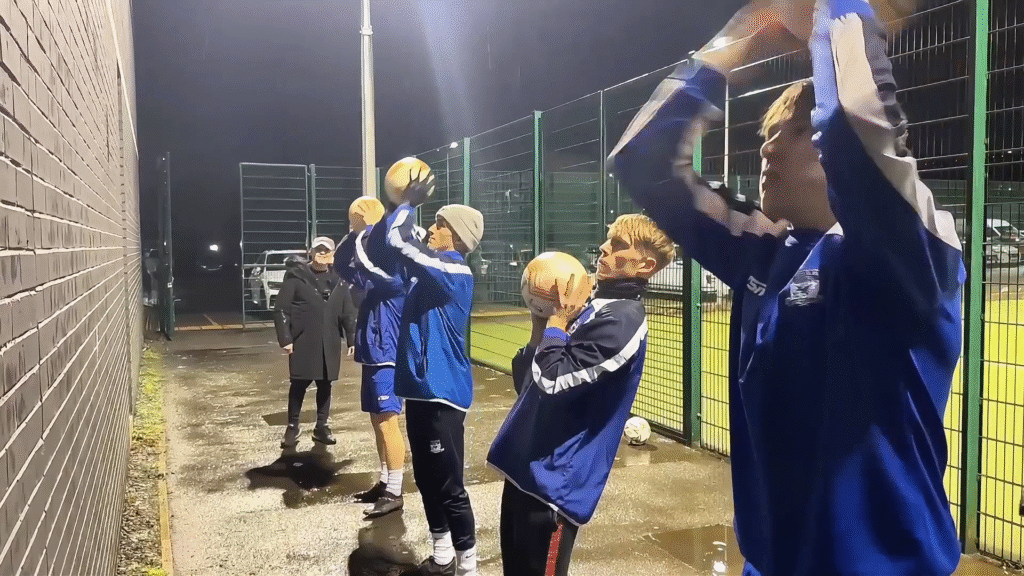
Over the years, I have discovered that mastering the art of a consistent long throw requires understanding key techniques and practices. In this post, I’ll unveil the vital components that contribute to a powerful throw, including body mechanics, grip adjustments, and the importance of mental focus. I aim to empower you with the knowledge and skills needed to enhance your throwing abilities, ensuring you can achieve remarkable results on the field.
Key Takeaways:
- Understanding the mechanics of the throw enhances technique.
- Strength and conditioning improve overall throwing performance.
- Consistent practice develops muscle memory imperative for accuracy.
- Proper grip and release are vital for maximising distance.
- Feedback and video analysis can identify areas for improvement.
The Physics of Long Throws
Understanding the physics behind long throws involves delving into the principles of motion, energy transfer, and the forces at play during a throw. By dissecting these elements, you can enhance your throwing distance and consistency. Every long throw is a combination of not just strength, but also a precise application of the right techniques that harness natural laws of physics effectively.
Mechanics of Throwing: Understanding Force and Torque
The mechanics of throwing revolve around force and torque, two fundamental concepts in physics. Force is the push that propels the projectile, while torque refers to the rotational force applied through your body during the throw. By optimising your grip and body rotation, I find that you can maximise torque, facilitating a stronger and more accurate throw.
The Role of Angle and Trajectory in Maximising Distance
Angle and trajectory significantly influence the distance of your throw. A launch angle of approximately 30 to 45 degrees optimises the vertical and horizontal components of the throw, allowing for maximum distance. Any deviation from this range can lead to reduced throw efficiency, emphasising the importance of precision in your technique.
By aiming for the optimal launch angle, I’ve experienced firsthand how trajectories affect distance. Angles too low result in a flat trajectory, causing the projectile to hit the ground quickly, while angles too high lead to steeper descents. Using technology like video analysis, I can measure the launch angles in practice, allowing for adjustments that maximise both distance and accuracy. A consistent, well-calibrated trajectory is key to achieving your long-throw goals.
Training Techniques for Consistent Long Throws
Developing a reliable long throw hinges on targeted training techniques that hone your skills and physical attributes. Focusing on key components such as strength, flexibility, and technique leads to remarkable improvement. Regular practice combined with strategic drills enables you to build muscle memory vital for executing consistent long throws under pressure, whether in training or during a game.
Essential Strength and Conditioning Exercises
Incorporating strength and conditioning exercises into your routine is vital for enhancing throwing power and endurance. Exercises like squats, lunges, and core work not only improve your overall strength but also bolster stabilisation during your throw. Additionally, weighted medicine ball throws can mimic the throwing motion, providing specific power training that translates directly to your performance on the field.
The Importance of Flexibility and Mobility
Flexibility and mobility are often overlooked yet fundamental aspects of a powerful throw. They enable a greater range of motion in your joints, allowing for a smoother, more explosive throwing action. Targeted stretching and mobility drills enhance the overall function of your throwing arm and shoulder, reducing the risk of injuries, while also significantly improving your throwing mechanics and distance.
Incorporating a robust stretching regimen not only promotes better blood flow but prepares the muscles for the dynamic actions involved in throwing. Focusing on areas like the shoulders, chest, and hips will improve your throwing mechanics by ensuring that each segment of your body moves fluidly together. By increasing flexibility through sessions of yoga or dedicated stretching routines, you facilitate a smoother release and follow-through, key elements for achieving a consistent long throw.
Mental Preparation: The Psychological Edge
Without the right mental preparation, even the best physical training can fall flat. Developing a strong psychological framework enhances not only your performance but also your enjoyment of throwing. Mental sharpness can mean the difference between success and setback, as it allows you to focus, remain calm, and execute your throw effectively, even under pressure.
Building Confidence Through Visualization Techniques
Visualisation techniques are important for achieving confidence in your long throw. By vividly imagining the perfect throw, you create a mental blueprint that your body can follow. I often suggest spending a few minutes each day picturing your throw in detail, focusing on the sensations, the arc of the ball, and the sound upon landing. This mental rehearsal primes your mind and body for similar success during training or competition.
Overcoming Performance Anxiety in High-Stakes Situations
Performance anxiety can haunt even the most skilled throwers, particularly in high-pressure situations. Acknowledging this anxiety is the first step towards managing it. Techniques like deep breathing, positive self-talk, and setting realistic expectations can help you channel that nervous energy into productive performance.
Overcoming performance anxiety involves not just battling fear but reframing your mindset. Exposure to high-pressure scenarios can desensitise your emotional responses. One effective approach is to simulate stressful conditions during practice; for example, I sometimes create competitive simulations where the stakes are high, helping you cultivate resilience. Moreover, understanding that anxiety is a natural response allows you to accept it rather than fight it, ultimately leading to a more composed and successful throw.
Equipment Insights: Choosing the Right Tools
Selecting the right equipment for long throws plays a vital role in performance enhancement. I always encourage my athletes to invest in high-quality tools tailored to their specific needs, whether it’s a weighted ball for strength training or a smaller, precision ball for technique refinement. The correct footwear can also significantly impact your grip and comfort, ultimately resulting in better performance. Make sure to try out various options to find what feels right for you.
The Impact of Throwing Technique on Equipment Selection
Your throwing technique directly influences the type of equipment you should choose. By analysing your mechanics, you can identify which tools complement your style. For instance, a higher release point may benefit from a more aerodynamic ball, while a lower release might require different specifications. Durable materials and proper sizing can enhance your overall ability, leading to improved accuracy and distance.
How to Properly Maintain and Adjust Your Gear for Optimal Performance
Regular maintenance of your equipment ensures that you maximise performance potential. I suggest routinely checking your throwing balls for wear and tear, as well as regularly cleaning them to avoid any degradation in grip. Adjustments like resizing your footwear or choosing different supportive insoles can also have significant effects. Note that if your gear doesn’t feel right, it may hinder your technique and subsequently your throwing distance.
Maintaining your gear is a straightforward yet important process. Periodically inspect your equipment for any signs of damage or wear, as even small issues can impact your throw. Cleaning your balls with appropriate materials keeps them in optimal condition and enhances grip. Adjusting the settings of any mechanical aids can fine-tune your training experience. I find that being attentive to these details not only prolongs the life of your equipment but also empowers you to focus on improving your technique without unnecessary distractions.
The Coach-Athlete Partnership: Fostering Improvement
The relationship between coach and athlete forms the bedrock of effective training and improvement. A strong partnership allows for mutual understanding, trust, and shared goals, facilitating a supportive environment where you can both thrive. I prioritise building rapport, ensuring that feedback is constructive and tailored to your unique style and needs, helping you to reach your full potential in long throws.
Effective Communication Strategies for Coaches and Athletes
Open dialogue is imperative for a productive coach-athlete partnership. I encourage you to express your thoughts, concerns, and aspirations freely, while I provide clear, actionable feedback. Regular check-ins and progress discussions help us stay aligned, ensuring that any adjustments in training are made collaboratively, ultimately enhancing your learning experience.
Setting Achievable Goals and Benchmarks for Progress
Setting realistic, measurable goals is key to maintaining motivation and tracking development in your throwing skills. I work with you to define specific targets, whether it’s increasing distance or improving technique, while establishing benchmarks to assess progress regularly. This structured approach enables you to celebrate wins, no matter how small, reinforcing a growth mindset.
Establishing achievable goals is not merely about creating indicators of success; it’s about making those targets motivating and relevant to your experience. I often break down larger objectives into manageable milestones, ensuring that each step is attainable and designed to build confidence. For instance, if your ultimate aim is to throw a certain distance, we might set incremental targets, such as improving your technique or strength training results, providing clear benchmarks to measure your progress along the way. This method keeps you engaged and focused, while continually inspiring improvement in your long throws.
Summing up
Hence, the secrets behind a consistent long throw that you’ll learn with Long Throw Coach involve mastering proper technique, body mechanics, and mental focus. I will guide you through key principles such as foot positioning, grip, and the importance of a powerful, fluid motion. By honing these skills, you will enhance your throwing distance and accuracy, ultimately elevating your performance. Your dedication to practice and understanding of these elements will lead to significant improvements in your long throw capabilities.